Organizational knowledge challenges of AI agents
About this event
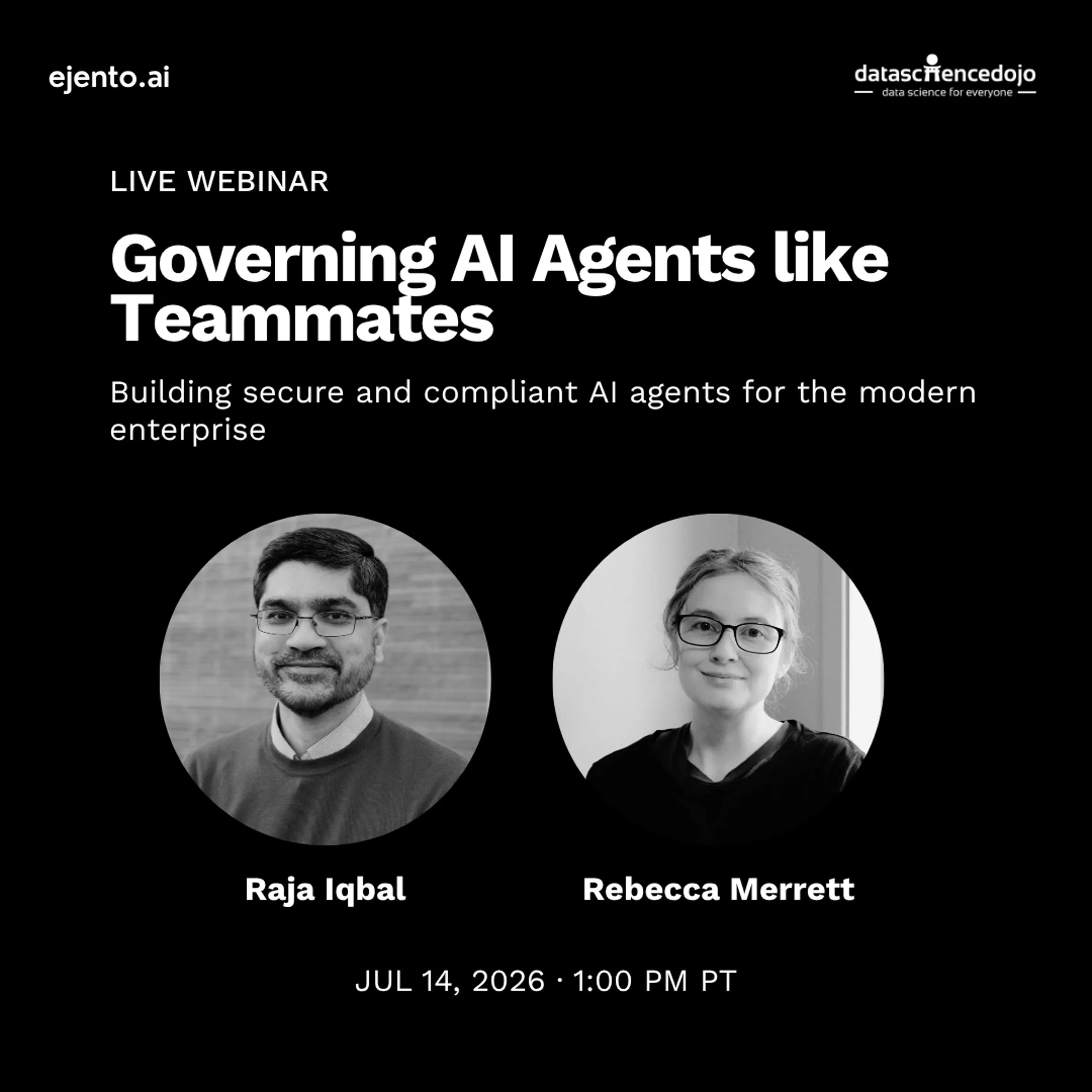
Once your AI agents have been set up and governed like teammates, the next question is where their knowledge actually comes from, and who’s responsible for keeping it accurate and up to date. This session separates the two problems hiding inside every “the AI got it wrong” complaint: content risk (the information itself is stale or false) versus execution risk (the agent takes a real action based on that bad information). We’ll also dig into the mechanics of actually connecting an agent to live company systems, through MCP (Model Context Protocol), custom connectors, and dynamic ingestion, and why the question that matters most isn’t how many integrations a platform offers, but where your credentials actually live when you use one.
Here are real-world examples from our Ejento deployments. A benefits agent confidently tells an employee last year’s PTO policy. A CEO asks their own company’s agent who runs the business, and gets the previous CEO’s name back. In both cases, the agent did exactly what it was built to do: it found a document, and answered based on it. The document was just wrong.
We will share our experience and take questions from the audience.
What you'll learn
- Why "the agent hallucinated" is usually the wrong diagnosis, and what's really happening when it retrieves a confidently wrong answer
- The difference between content risk and execution risk, and why the second one gets expensive fast
- Why one-time exports and spreadsheet dumps quietly turn agents into confidently wrong employees within weeks
- How MCP works as a universal connector standard, and when custom connectors or dynamic ingestion (site crawls, SharePoint, Google Drive) are the better fit
- The real security question to ask any AI platform: not "how many connectors," but "where do my credentials actually run"
- A live look at connector scopes, credential references, and explainability traces inside the Ejento platform
Speakers